Changing a college’s name from referencing a region (North Central) to pointing to its suburban home (Naperville)?

Would changing the name of North Central College to instead reference Naperville help the institution? Here is why a change might work:

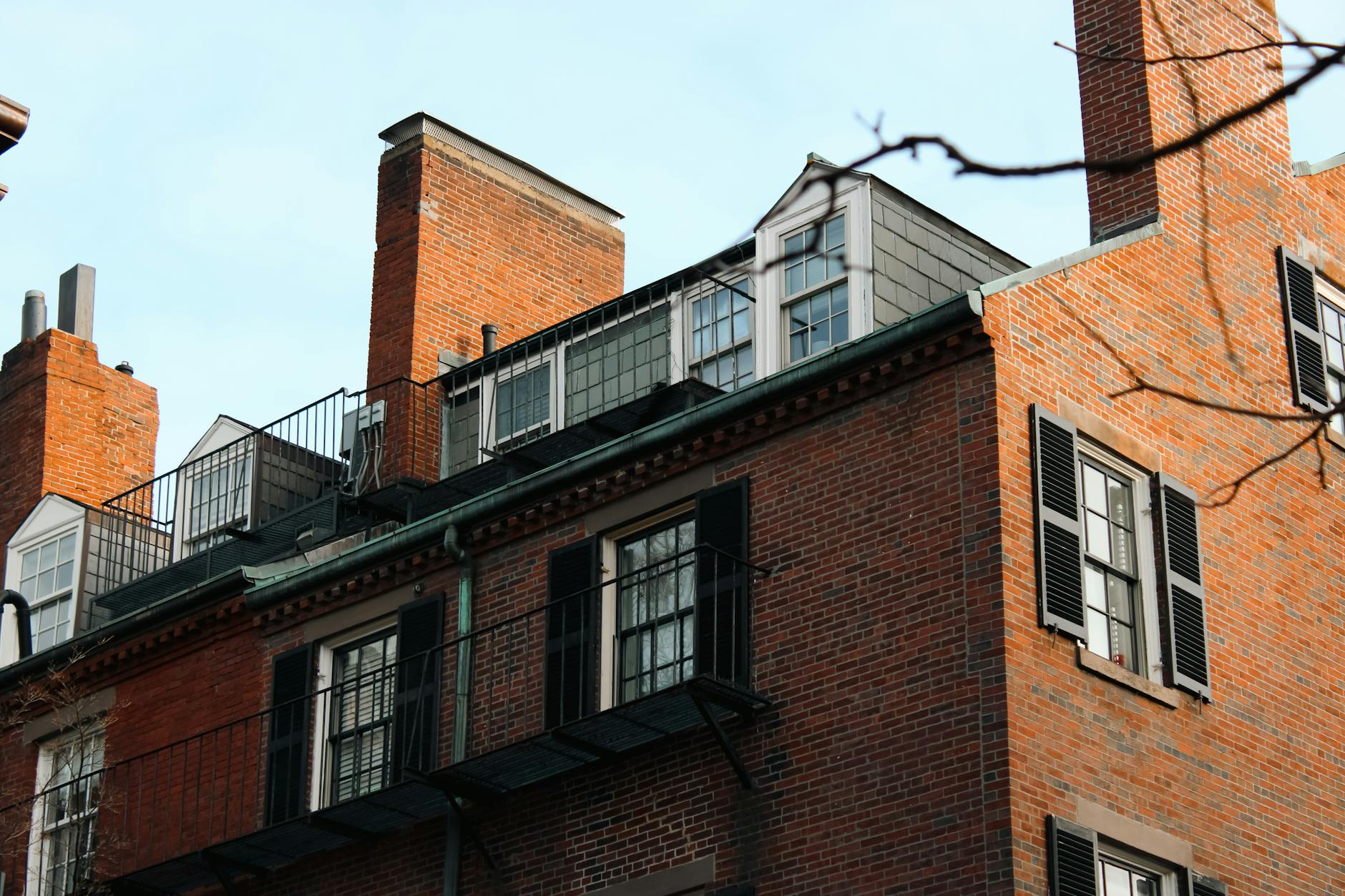
Photo by Beate Vogl on Pexels.com

Historically, North Central College’s location has not always been at the center of its identity, according to Gòkè-Paríolá. When a survey from 2019 showed the university had low name and brand recognition from people outside of the Naperville area, the institution started to reconsider how it markets itself.

Now, as the third largest city in Illinois, North Central College’s location in Naperville is increasingly advertised as a major part of the student experience…

Naperville has made national headlines as it garners attention for such things as safety and quality of life. In 2025, Naperville was named the best city to live in America by online rating database Niche for the second consecutive year. It also consistently ranks as the best city to raise a family in America by Niche…

“If they are in Maryland and you try to recruit them and say, ‘Come to North Central College,’ well, you got your work cut out for you,” Gòkè-Paríolá said. “But when you tell them, ‘Where is it?’ ‘Naperville.’ (They say) ‘Oh, Naperville. I know Naperville’ or ‘I read something about it.’”

As someone who has studied Naperville, my sense is that it is generally well regarded by residents and outsiders. The rankings referenced above help (see posts from recent years here, here, and here) but so does (1) population growth, (2) white-collar jobs, (3) wealth, and (4) a vibrant downtown.

Additionally, the current name hints at a broader region. The college was initially located in and named after the small town of Plainfield, a community southwest of Naperville and one that was small until growing from 4,557 residents in 1990 to over 44,000 in 2020. Before moving to Naperville, the college’s name was changed to “North-Western,” referencing the Northwest Territory from which Illinois and several other states were founded. In 1926, the name became “North Central,” which more accurately reflects the location outside of Chicago with the United States spanning from the Atlantic to the Pacific.

There are numerous colleges that reference suburbs in their name. I wonder how many of these names were selected prior to mass suburbanization in the postwar era. How many are named after sizable suburbs today? How about University of Santa Ana or Plano or Aurora (Colorado – the large Illinois suburb has Aurora University but it was renamed for the community prior to World War Two) or Hialeah?

Related to this, is there a sense that a certain kind of learning or college experience happens in growing, wealthy suburbs compared to what is available in big cities or smaller communities? Research universities are often in big cities or college towns, not necessarily suburbs.

How big is the market for properties over $100 million?

Properties costing over $100 million filled all the top spots in a recent analysis of the most expensive property sales in 2025 in the United States. How many people are realistically in this market? This passage provides some hints:

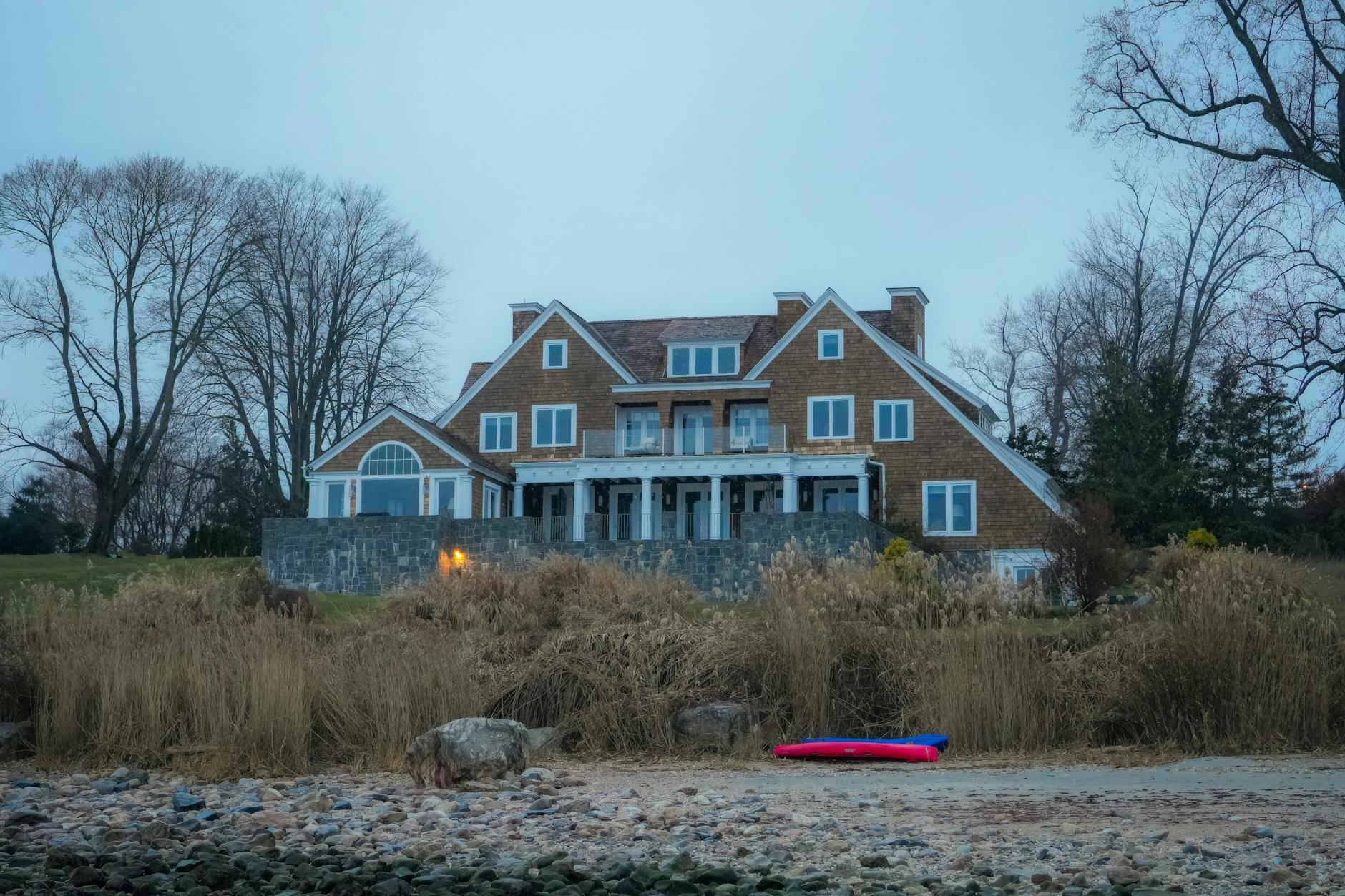
Photo by Cara Denison on Pexels.com

Affluent buyers are scooping up luxury real estate as a way to diversify their portfolios, store wealth or as a hedge against inflation. “People feel the stock market is trading high, so they are investing in hard assets,” said Ryan Serhant, of real-estate brokerage Serhant. “Luxury real-estate is recession resistant.”…

Throughout the U.S., agents said domestic buyers are dominating the luxury market. In Palm Beach and Miami, deep-pocketed buyers are chasing the same properties, resulting in off-market deals being struck for astronomical sums. “It isn’t as much comp driven as it is, ‘This is what we’re willing to pay,’” said Miami agent Danny Hertzberg of the Jills Zeder Group at Coldwell Banker Realty.

I suspect that more than just listing the most expensive properties sold – is more expensive better or more noteworthy? – it would be interesting to know about how this exclusive market works. It sounds like the market involves wealthy people from the United States who are looking to avoid the swings of the stock market. They want an investment with a good return and assume real estate will provide this. They need to have the funds to make such a purpose. In the meantime, they might get some use out of the property.

Some searching suggests there are around 1,000 billionaires living in the United States. The Forbes 400 for 2025 says all the people on the list have a net worth of over $3.8 billion. It would be interesting to see how many of those on this list own properties worth more than $100 million or even $50 million. Do see they see as expensive real estate as a good deal?

And then there is the matter of how such properties are known. I imagine they are not on regular listing services. Either online or in real estate magazines, I do not remember seeings listings over $10 or so million. These tend to be expensive waterside properties or big city residences. How big is the network of agents who work with such properties? How do they contact prospective buyers or let them know that an expensive property is available? What kinds of fees are generated by agents, brokers, and other actors involved with real estate when one of these expensive properties is sold? Are there showings of these properties and what are these like?

Since these sales are still rare, it might not be hard to identify them and try to track down more information. On the other hand, operating at this level likely involves lots of behind the scenes activity and quiet operators and methods.

The most viewed post of 2025: “giant white houses” and the subsets of McMansions

The most popular post on Legally Sociable in 2025 involved a particular kind of house that arrived on the scene in twenty-first century. Posted on March 7, the quoted Slate article used these terms to describe “giant white houses:

Photo by Designecologist on Pexels.com

-jet-black accents

-giant

-swollen

-unnaturally tall

-mishmash of architectural features

I realized I had seen at least a few of these homes when I analyzed 349 teardowns constructed in Naperville, Illinois between 2008 and 2017.

In addition to seeing the particular local embodiment of these broader patterns, I wonder if these “giant white houses” also speak to the evolution of the McMansion. As McMansions emerged in the late 1990s, they were something new. They represented a change from existing housing styles. At the same time, I argued they were difficult to define because they could cover so much architectural and design ground. For those critiquing the McMansions, were they referring to the absolute size, the relative size, the design choices, or sprawl and luxury housing?

“Giant white houses” can now be a separate housing style. It has its own distinct set of characteristics as listed above. Some of these traits may be shared with some other McMansions but it also is its own category. Is someone concerned with “giant white houses” also concerned about other McMansions? Or might they like modernist McMansions or Victorian McMansions but not these “giant white houses”?

This is a common issue encountered in sociology and related disciplines: at what point is a larger category like McMansions better split into multiple categories? When do these emerging concepts become worth their own definitions and analysis?

I do not have all these answers but I imagine we will see more work in the coming years on substantial McMansion variants.

The recent rise in housing costs in Boston through the lens of generations – and other options

Owning a home in the Boston area now requires more resources than it did just a few years ago:

Photo by Luana Scorsoni on Pexels.com

The typical house in Greater Boston sold for $833,900 in the second quarter of 2025, more than 7.5 times the region’s median household income. Five years ago, a household needed to earn $126,519 a year to afford the median-priced single-family home in this region, according to an analysis by Harvard University’s Joint Center for Housing Studies. Today, that figure has more than doubled, to $259,648.

The result is people who 20, 10, or even 5 years ago would have been able to purchase a home — teachers, nurses, and academics — can hardly even conceive of it

The consequences are being felt by an entire generation, forced to make a choice their parents did not: Stay in Massachusetts, and rent forever, or leave, and put down roots somewhere less expensive

In 2010, for example, the median home price was $360,800, but the average on a 30-year fixed-rate mortgage was 4.75 percent, meaning the mortgage payment on that median-priced house was only $1,816 a month, almost the same as it was in 2000. Now, with a median house price of $833,900, and a 30-year fixed-rate mortgage around 6.79 percent in the second quarter of the year, the monthly mortgage payment on that median-priced house is $5,240 a month — before homeowners insurance, property tax, and mortgage insurance, which can tack on $1,500 more each month.

This is quite a rise in median home prices in a short amount of time. A typical lens through which to consider these changes, including in this story, is to focus on generations. One group born before a certain point could reasonably expect to own a home; those born later have a tougher time doing so. There is at least some truth to this, particularly since Americans have told a story for decades that people who reach middle-class status are able to buy houses and enjoy all the benefits that come with this.

Is this the best lens to use or the only worthwhile one? Here is another option: as prices have risen, who is now buying and selling houses compared to a decade or two ago? Who benefits from the higher prices or is able to live with the higher prices and who cannot? Where is this housing wealth concentrated? Is this just about generations or are there other patterns present?

Or another option: these median house prices are for a whole region. Even if the whole region has high housing costs compared to other places, how big is the variation within neighborhoods and communities? Why have values in some places gone up so much more than other places? How have communities been impacted by these higher prices, either in raising their status or limiting opportunities?

If younger Americans see that they have a much harder time in buying a house, they may change their behaviors and attitudes for the long-term. But they are not the only actors affected; people of all ages, organizations and industries, and communities are also affected. Housing affordability affects many other areas of life and leaders who do not address the need for cheaper housing with concrete action will impact many people and places.

Where is my wrapped academic work summary for 2025?

With different apps and platforms offering year-end summaries, who offers one of these for academics? Alongside my listening, watching, and reading, I want to see a count of emails sent, meetings attended, assignments graded, class sessions prepped, and more.

Photo by George Dolgikh on Pexels.com

The one platform that could do that for me would be Microsoft products, specifically Outlook or Microsoft 365. Outlook offers insights into my time through the calendar and email activity, could report on who I sent the most emails to (and who received them from me), and could look at the text of the calendar and emails to figure out what I was working on.

Expand this to Microsoft 365 and even more data is available. What did I type into Word? What did I track in Excel? What did I present through Powerpoint? What conversations and groups was I part of in Teams?

I suppose I could do this work myself. At various points I have tried to track my time and activity. This work can be helpful, particularly when filling year-end reports or updating my CV. But there is also a lot to keep track of and I have not found that knowing the contents of every or nearly every minute is useful. I do not need everything quantified; seeing general patterns can help me keep address my top priorities.

Is this what AI will offer in the near future? Could it make a to-do list for each day anticipating what I need to do based on previous activity? Or will it take work to manage the manager?

(Other contenders for helping prepare my 2025 year in academics wrapped: Google Photos, our learning management software, my library records, my key card.)

Two miles of railroad tracks that could throw off a whole network

How much does two miles of railroad track matter in the Chicago region?

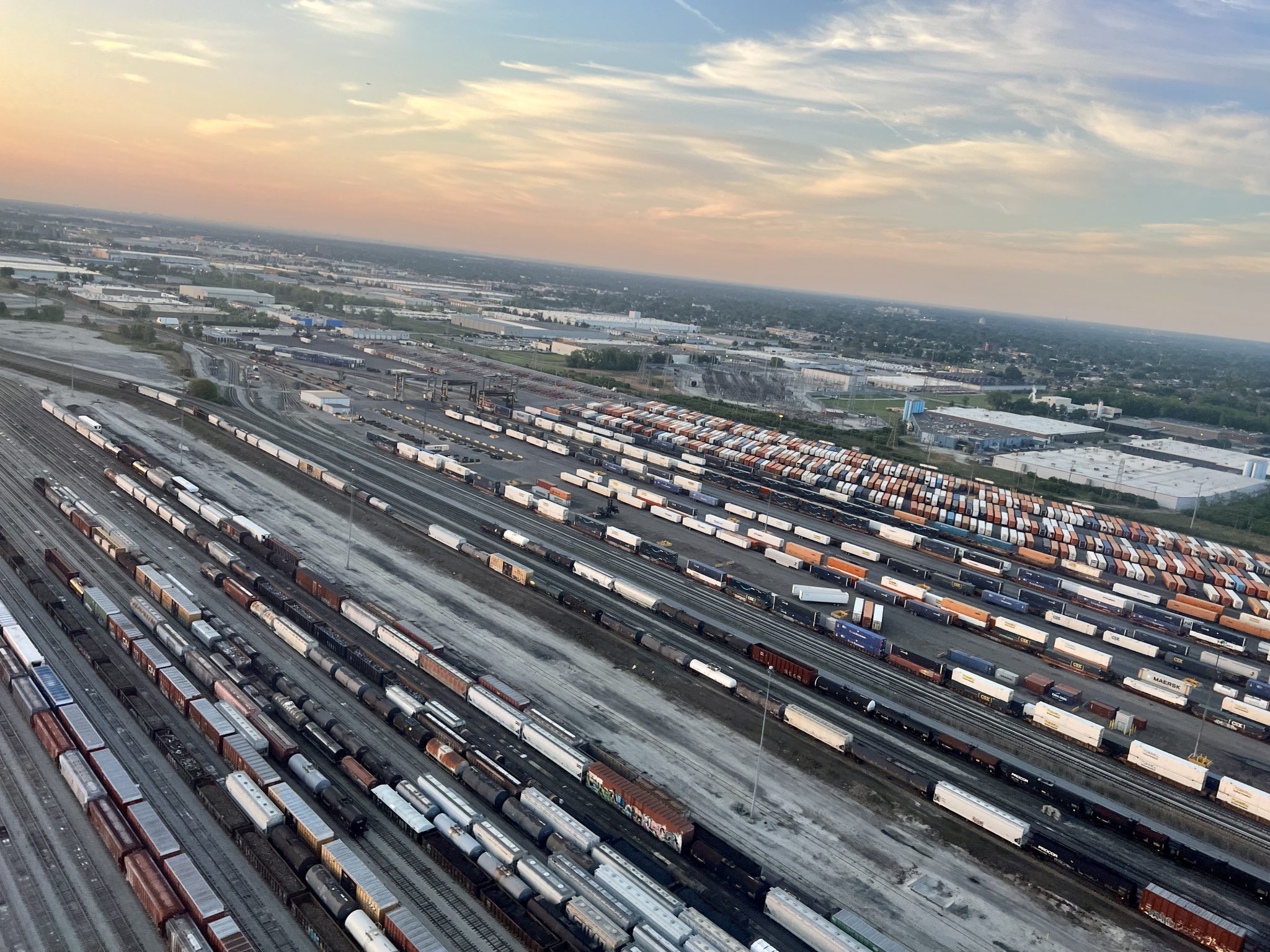
Trainyards near Chicago, Illinois, as seen from an airplane. by Michelle Frechette is licensed under CC-CC0 1.0

To make money on its proposed cross-country railroad, Union Pacific plans to double the number of trains on a 2-mile stretch of track on Chicago’s West Side where workers still throw switches by hand and trains crawl across century-old bridges at less than 15 miles per hour.

The railroad plans to add 12 trains per day on these dilapidated tracks, which run along Rockwell Avenue through North Lawndale and West Town.

After reaching Lake Street on the north, the additional trains will turn west and run 13 miles to a Union Pacific rail yard in Melrose Park.

They’ll have to thread their way through 58 passenger trains and up to 24 freight trains, which, according to Metra and Chicago Metropolitan Agency for Planning data, are running on these same tracks each weekday now.

The railroad importance and bottleneck that is Chicago is on display here. A lot of freight traffic flows to and through the region. A proposed merger of two major railroads means there could be more trains. Can a short stretch of track handle more freight traffic when it already has freight and passenger traffic? Will a railroad merger mean that Metra can no longer use these tracks? Are there any alternate options?

If one could start over in planning the Chicago region and knew what was needed today, how differently would the railroad network be set up? Chicago has a hub and spoke model of passenger lines funneling people into the heart of the city. Freight trains also travel along these lines plus along numerous other lines that bisect and ring the region. Where would the rail yards and intermodal facilities be? Would the lines be put in different places? Could there be designated railroad districts or railroad corridors?

However this merger business ends, I hope the railroad companies, communities, and regional actors can get together and figure out what would serve the Chicago region best in terms of railroad lines and activity.

Starbucks tried to be a third place

A look at Starbucks’ rise and fall includes some commentary on its wish to become a “third place” in the United States:

This was the vision that former CEO Howard Schultz had long chased: bringing Italian-style coffeehouses to the U.S. and transforming them into a ubiquitous “third place” for Americans. The concept of a third place is simple: If the home is the first place, and work is the second place, a third place would serve as an anchor of community life and social interaction, a spot where anyone could see familiar faces and meet new people in a comfortable, unpretentious setting…

But as the company grew, marketing its locations as a tableau in which to “stay awhile” ultimately meant there was a finite number of people they could sell coffee to per day. As it became clear people were willing to pop in for a $9 handcrafted drink and leave, Starbucks turned away from the original vision, instead hoping to bump profits by enticing a larger number of customers who wanted their coffees to go. The store rolled out mobile ordering, pickup-only store formats with no seating, and an ever-growing rewards program that offered a disappearing carousel of coupons and freebies, all in an effort to expand the number of sales that it could theoretically make in a day…

Starbucks is largely credited with pioneering the world of mobile ordering and building an ecosystem of rewards that keeps the consumer loyal to the brand. “That definitely took off, and then the third place dwindled away during the pandemic,” said Ari Felhandler, a financial analyst who specializes in the food and beverage industry at the firm Morningstar…

And now, Starbucks is staring down the barrel of an increasingly crowded market. Longtime competitors like Dunkin’ Donuts, Peet’s Coffee, and Panera Bread all started their rewards programs after Starbucks launched its app, creating more camps for customers to pledge their loyalty to. There are also the rising coffee newcomers, like San Francisco’s Blue Bottle Coffee and private equity–backed Blank Street Coffee, which also offer a large menu of specialty espresso drinks at their locations alongside their own membership programs and sleek storefronts. Other major corporations including Capital One have also made a bid to become the preferred third place; they boast arching windows at their locations, which combine your local bank with a coffee shop, and have half-off deals on all food and drink for cardholders. (The company has even partnered with California’s Verve Coffee Roasters for its espresso beans.)

Starbucks is all over the place. Its locations offer predictability and standardization. It is McDonaldized coffee and a McDonaldized experience for the early 21st century.

Starbucks’ best claim to being a third place might be that alternatives are lacking for Americans. Should they gather in fast food restaurants? Bars? A range of coffee drinks and food items appeals to a broad set of people. There are many locations. The brand still has some cachet.

What if Americans don’t really want third places? A third place is intended to be a setting for people to talk and interact outside of work and home. People want what Starbucks sells but they often want it for their car trip or to consume elsewhere. Who has time to sit and drink a coffee and talk to another person? Who wants to do this?

Perhaps we should instead hope for places where people want to spend time with their phones. They can take an interesting selfie. They can catch up with social media activity. The seating and the lighting is good for looking at a screen. Their interactions with others are mediated through screens. As people do this, they can drink a coffee. Our smartphones can be our companions on the go.

Bob Cratchit and family live in the suburbs

My reading of A Christmas Carol this year included noting this description of Scrooge’s travels with the Ghost of Christmas Present to observe the Cratchit family:

Photo by Matej on Pexels.com
"There are some upon this earth of yours," returned the Spirit, "who lay
claim to know us, and who do their deeds of passion, pride, ill-will,
hatred, envy, bigotry, and selfishness in our name, who are as strange
to us, and all our kith and kin, as if they had never lived. Remember
that, and charge their doings on themselves, not us."

Scrooge promised that he would; and they went on, invisible, as they
had been before, into the suburbs of the town. It was a remarkable
quality of the Ghost (which Scrooge had observed at the baker's), that,
notwithstanding his gigantic size, he could accommodate himself to any
place with ease; and that he stood beneath a low roof quite as
gracefully and like a supernatural creature as it was possible he could
have done in any lofty hall.

And perhaps it was the pleasure the good Spirit had in showing off this
power of his, or else it was his own kind, generous, hearty nature, and
his sympathy with all poor men, that led him straight to Scrooge's
clerk's; for there he went, and took Scrooge with him, holding to his
robe; and, on the threshold of the door, the Spirit smiled, and stopped
to bless Bob Cratchit's dwelling with the sprinklings of his torch.
Think of that! Bob had but fifteen "Bob" a week himself; he pocketed on
Saturdays but fifteen copies of his Christian name; and yet the Ghost of
Christmas Present blessed his four-roomed house!

Cratchit is the underpaid clerk who works in the city with a wealthy employer but lives in a small home (with four rooms) outside the city. A domestic scene follows as the family gathers around the modest table and food.

Scrooge, in contrast, lives and works in the city. He is about work and wealth. He looks out for himself and has little time for others, whether his employee or his former business partner.

London at the time of the writing of A Christmas Carol had nearly two million residents and had a lot of industrial activity. It had some suburbs – Clapham, for example was several miles from the center of the city and was inhabited by William Wilberforce and his associates – but it was a dense and growing city. The Cratchit family may not have been able to afford to live in London or they needed enough room for their family.

If A Christmas Carol helped create Christmas in the United States since its publishing, might it also have fit with Americans’ liking for suburbs for cities? Even as the tale involves redemption for Scrooge, he lives in the city while the typical and kind family in the story lives in a suburban home. And we know how much Americans like their suburban single-family homes.

See “regular people” along America’s older highways

Drive the highways created before the interstates and one author who drove all of US 41 says you can see America:

Photo by Willian Justen de Vasconcellos on Pexels.com

“You see a whole swath of the country that people on the coasts don’t,” says Clott, whose fascination with 41 dates back to his boyhood in Northwest Indiana…

Once Clott reached Miami, he’d taken a journey through a country he never would have seen on an interstate highway.

“You see regular people,” he says. “You don’t just see tourists. Even though you’re less than five minutes away from an interstate, you see a different America.”

The interstates have a life of their own. High speeds and limited impediments. Certain amenities available at rest areas and exits.

Many interstates trace paths from earlier highways that also sought to connect major population centers. These highways had sections of faster speeds and no stops but they also tended to go through communities and had stops there.

Is seeing “regular people” and “a different America” because of the different routes of these earlier highways or the different driving pace or the different attractions? One way to interpret the statements above is that these old highways are not the typical routes so drivers will see different things. Perhaps they see what is less glamorous or could see more day to day activity than tourist activity. As noted later in the article, US 41 will still help see Chicago but see different parts than you might via the interstate or common tourist routes.

Would these older highways be considered the back roads of the United States? In many communities, they are necessary daily roads for people and goods. They may not be scenic roadways in many places. They may not be meandering two lane roads. But they do offer an alternative to where the mass of drivers are.

(I have driven on US 41 in Michigan, Wisconsin, Illinois, Indiana, and Florida. While it has its points that are more highway-like with higher speeds and fewer lights, there are also plenty of moments of going right through communities.)

Pushing back against the housing plans of the wealthy in suburban Palo Alto

One elected local government official wants to limit what wealthy residents can build in suburban Palo Alto:

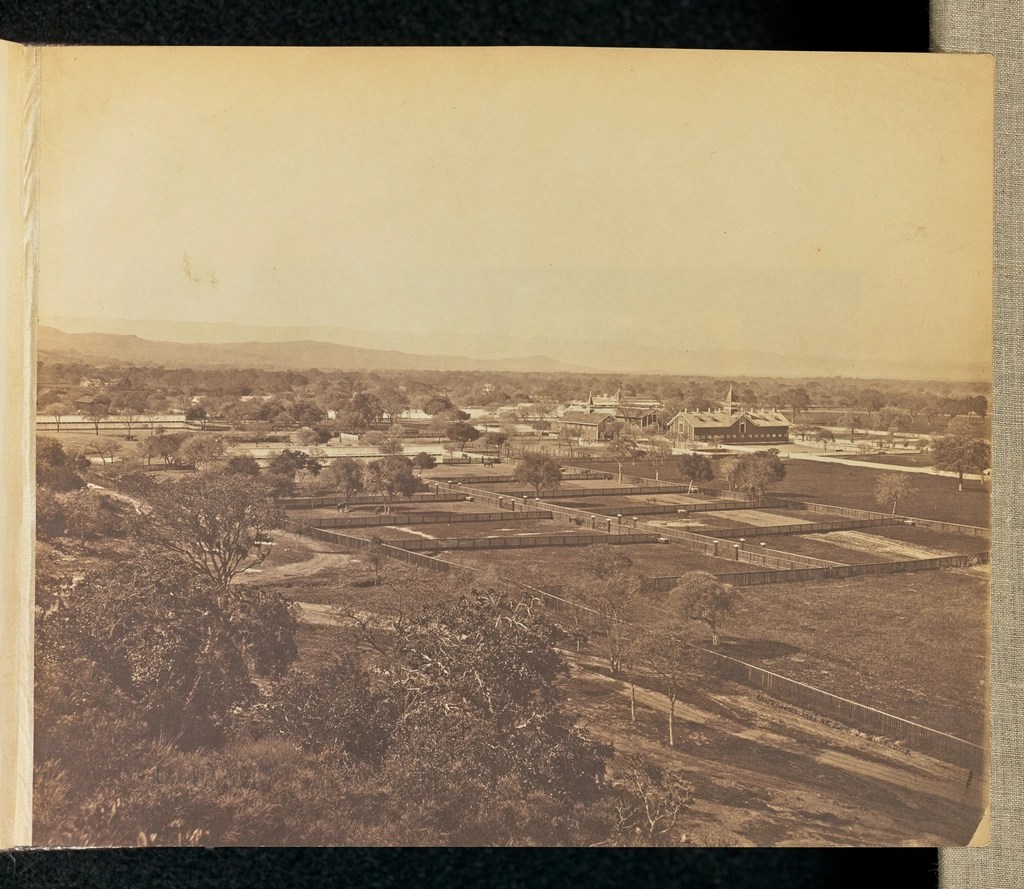
View Palo Alto, California Eadweard by thegetty is licensed under CC-CC0 1.0

The proposed legislation would apply to people who buy three or more homes within a radius of 500 feet, roughly the length of a city block. Any construction project expected to last more than 180 days would need a detailed daily schedule of construction work to prove it can be conducted without double-parking vehicles or blocking driveways or bike lanes.

After finishing one construction project, homeowners would need to wait three years to begin another unless a major emergency occurred. Homes could not be vacant for more than six months in any given year.

The proposal relies on neighbors for enforcement, leaving it up to another homeowner or tenant living within 500 feet to file a lawsuit.

The proposal would place new restrictions on private security guards across Palo Alto, not just those serving wealthy homeowners. All security vehicles would have to be marked and permitted by the city. Security guards would have to identify themselves to the public when asked. They would be prohibited from harassing or intimidating passers-by on public property…

The full Palo Alto City Council is likely to take up Mr. Stone’s proposal in January or February. Mr. Stone said he is confident that a majority of the seven-member council, which has taken a keen interest in housing affordability, would support the general framework but could send it to a committee or city staff member for refinement. It could take six months or longer to reach a final vote, he said.

Three things strike me about this proposal:

  1. It is clearly aimed at particular residents. Not just people with some wealth, who might be found across American suburban communities, but people who are truly wealthy and can afford this kind of construction and property ownership and all that goes with it.
  2. Communities often deal with these concerns at the zoning level. How big can a structure or house be? Are the guidelines in particular areas or in regards to property lines? The proposal above seems to deal with other matters that come along with regular approval of megahouses and properties.
  3. The regulations are about property but local conversations often have to do with local character and community life. Do such homes (and people) fit in the community? Who can live in a place where such properties are common? Who is Palo Alto for? Suburbs often implicitly or explicitly have these discussions while considering development.

Now that this proposal is out there, how do wealthier residents respond and what will the final local regulations be?